Polycystic Ovary Syndrome (PCOS) and Acupuncture

Polycystic Ovary Syndrome (PCOS) is a relatively common endocrine disorder. Up to 26.7% of women between the age of 15 and 44 suffer from PCOS worldwide. As a ‘syndrome,’ PCOS is a group of symptoms affecting the female reproductive system. The disorder is mainly characterised by:
- Prolonged and infrequent menstrual periods
- High level of androgens (male hormones) and low levels of female reproductive hormones (progesterone and estrogen)
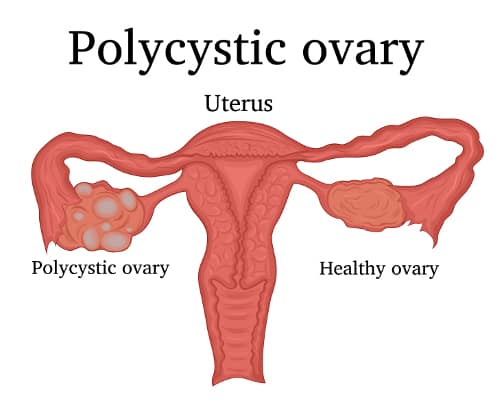
- Ovary cysts – numerous small follicles (collections of fluids)
It is estimated that nearly 70% of women living with PCOS have not been effectively diagnosed. This is a concerning statistic because PCOS can lead to a variety of diseases if left untreated. Some things it may lead to are: infertility, diabetes, liver inflammation, sleep apnea, metabolic syndromes, mental disorders, miscarriage, and cancer.
Causes and Symptoms of PCOS
Despite potentially severe complications, the exact causes of PCOS are not clear. PCOS is associated with an increased level of the male hormone androgen, which hinders the normal functioning of the ovaries. Inflammation, genes, and insulin have all been linked to androgen production.
- Insulin: The excess production of insulin by the pancreas stimulates the production of androgens, hindering ovulation. Studies show that 70% of PCOS patients are also diagnosed with insulin resistance.
- Genes: Numerous scientific studies suggest that PCOS is hereditary
- Inflammation: One study on PCOS claimed that markers of oxidation are highly correlated to circulating androgens in PCOS.

Signs and symptoms of PCOS present themselves at different stages of a woman’s reproductive life, starting fromher first menstrual period. Possible symptoms for the diagnosis of PCOS include:
- Excess hair growth on the chest, belly, back, and face.
- Acne breakouts due to oily skin associated with androgens
- Heavy and prolonged menstrual bleeding
- Headaches due to hormonal changes
- Baldness
- Weight gain
Diagnosis and Treatment of PCOS
Diagnosis of PCOS follows the three characterising traits highlighted earlier (i.e. irregular menstrual cycles, androgen levels, and ovary cysts). A doctor may conduct a physical exam to identify signs of weight gain and excess hair, run a pelvic exam, a blood test to measure hormone levels, and an ultrasound to check the appearance of ovaries. Depending on the findings of the tests, a doctor may recommend the following treatments:
- Medications: Pharmaceutical medication for PCOS includes birth control pills, progestin therapy, diabetes medication, and hair removal treatments.
- Lifestyle changes: To mitigate the adverse effects and symptoms of PCOS, you may be asked to limit your carbohydrate intake and exercise regularly to maintain a healthy weight.
- Surgery: If other conventional treatments do not work, doctors may suggest ovarian drilling to restore normal ovulation.
Acupuncture as an Alternative Treatment for PCOS
Some women diagnosed with PCOS seek alternative treatments to manage the symptoms of the disorder. Acupuncture is among the most sought-after alternative treatments and recent scientific evidence supports its safety and efficacy. Acupuncture needles are placed along specific meridians to promote reproductive health.
